
How Some People Quietly Find Their Way Back to Themselves

There’s a kind of exhaustion that doesn’t look dramatic from the outside.

You still show up. Still answer texts. Still make appointments. Still handle responsibilities. People may even describe you as “doing really well.”

But internally, something feels muted.

You laugh less deeply. Rest doesn’t actually restore you anymore. Conversations feel harder to stay emotionally present in. You’re technically functioning, but life feels like it’s happening behind glass.

A lot of long-term alumni know this feeling intimately.

Especially the ones who’ve already spent years trying to heal.

You did therapy. You learned coping skills. You survived difficult seasons. Maybe you even helped other people through theirs. From the outside, it looks like you should feel stable by now.

But stability and connection are not always the same thing.

That’s usually when late-night searches start happening:
“Live-in mental health treatment near San Diego that takes insurance.”
“Can you go back to treatment years later?”
“Would insurance even cover this?”
“Am I struggling enough to deserve help again?”

If you’re looking into live-in treatment options, you should hear this clearly:

Going back for support does not erase your progress.

Sometimes people return to treatment because they finally stopped confusing survival with healing.

Emotional Numbness Can Hide Inside a “Good Life”

This part confuses a lot of people.

They assume mental health struggles should always look obvious. Chaos. Crisis. Isolation. Total collapse.

But long-term emotional exhaustion often looks far quieter than that.

You keep functioning while quietly disconnecting from yourself little by little.

Some people notice it through relationships. They feel emotionally unavailable even around people they love. Others notice it through constant fatigue, irritability, anxiety, or the strange feeling that life has become mechanical.

Wake up. Work. Handle responsibilities. Repeat.

Eventually, some people realize they’ve spent years managing symptoms without fully reconnecting emotionally.

And honestly, that realization can feel scary because it raises a difficult question:
“If I’ve already done all this work… why do I still feel stuck?”

The answer usually isn’t failure.

It’s that healing often happens in layers.

Returning to Treatment Feels Different the Second Time Around

Many long-term alumni hesitate to seek support again because they think it means they’re starting over.

That mindset keeps a lot of people suffering quietly.

The reality is that returning to treatment later in life often looks completely different than the first experience.

The first round of care is often survival-focused:

  • Stabilization
  • Safety
  • Learning coping tools
  • Interrupting destructive behaviors
  • Building emotional awareness

Years later, the work becomes more nuanced.

People return because:

  • Anxiety never fully settled
  • Trauma stayed intellectual instead of emotional
  • Depression flattened everything again
  • Burnout became unsustainable
  • Emotional intimacy still feels difficult
  • Rest feels impossible without guilt
  • Life feels emotionally muted despite external success

Some people realize they got sober but never actually slowed down.

Others realize they became incredibly good at functioning while quietly disconnected from themselves.

And honestly, many long-term alumni are masters at appearing okay.

That’s part of why they struggle to ask for help again.

Insurance Questions Stop People Before They Ever Reach Out

This matters more than most treatment conversations acknowledge.

People already struggling emotionally often feel overwhelmed before they even make the first phone call.

Insurance paperwork. Coverage questions. Costs. Authorizations. Deductibles.

When someone is emotionally exhausted, even basic logistics can feel enormous.

A lot of people silently talk themselves out of getting help because they assume:

  • “Insurance probably won’t cover enough.”
  • “It’s too expensive.”
  • “Other people need treatment more than I do.”
  • “I should be able to handle this myself by now.”

Meanwhile, they continue living in emotional survival mode for months or years longer than necessary.

The reality is that many live-in mental health programs work with insurance providers to help determine eligibility and coverage options for treatment.

And honestly, asking about insurance isn’t weakness.

It’s part of the process.

Most people are not emotionally prepared to navigate mental health treatment perfectly while also struggling mentally. Good treatment teams understand that.

Sometimes the Biggest Relief Is Letting Someone Else Hold the Structure for a While

Long-term alumni often carry enormous invisible pressure.

They’re used to managing everything themselves:

  • Schedules
  • Work responsibilities
  • Family obligations
  • Emotional caretaking
  • Appointments
  • Daily functioning

Even their healing becomes another responsibility to optimize.

Inside live-in care, something different happens.

For a while, the structure exists outside of you instead of inside your constantly exhausted brain.

Meals happen consistently.

Therapy sessions happen consistently.

Rest becomes allowed instead of earned.

And surprisingly, many people realize how deeply fatigued they were only after the pressure finally softens.

One former client described it this way:
“I thought I needed motivation. Turns out I needed permission to stop holding everything together for five minutes.”

That sentence hits hard because so many emotionally exhausted people don’t realize how tense they’ve been living for years.
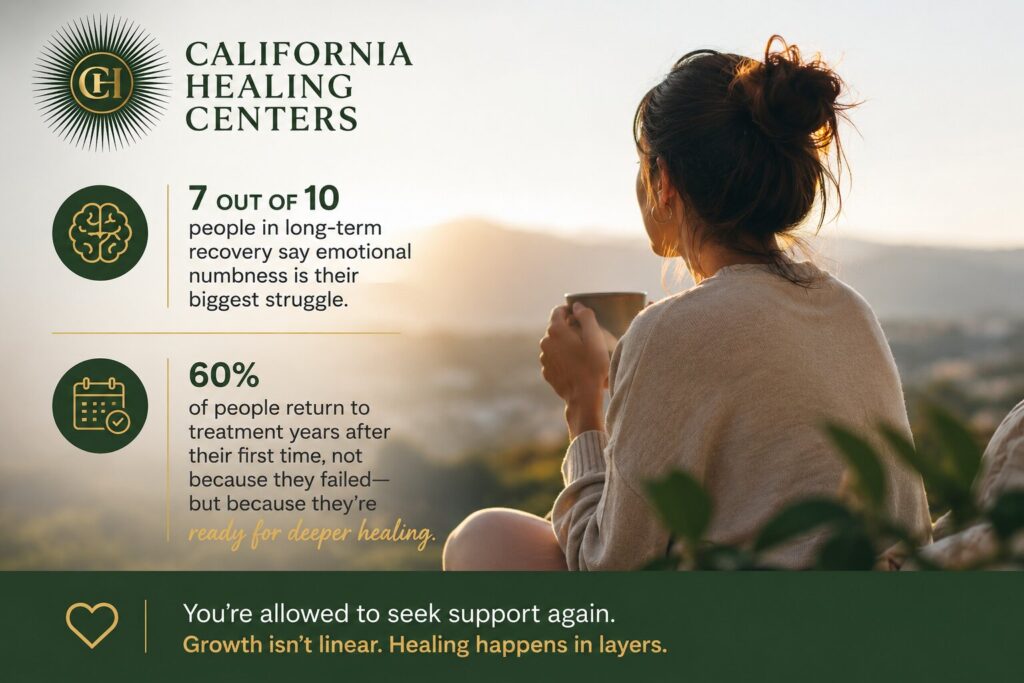
Live-In Mental Health Treatment and Insurance Coverage

The Environment Matters More Than Most People Think

Healing inside the same environment where your stress patterns were built can be difficult.

Not impossible.

But difficult.

At home, many long-term alumni stay trapped in cycles they barely notice anymore:

  • Constant productivity
  • Emotional suppression
  • Caretaking others
  • Work stress
  • Hypervigilance
  • Isolation disguised as independence
  • Numbing through routines

Inside supportive live-in care, those patterns finally slow down enough to become visible.

And visibility changes things.

People start noticing:

  • How quickly their nervous system reacts
  • How uncomfortable rest feels initially
  • How often they anticipate disappointment
  • How disconnected they’ve become emotionally
  • How much energy it takes to appear “fine” constantly

That awareness can feel painful at first.

But it also creates room for something else:
Reconnection.

Healing in Adulthood Often Looks Less Dramatic and More Honest

This surprises people sometimes.

Long-term healing isn’t always massive breakthroughs or emotional explosions.

Sometimes it’s subtle.

You stop feeling dread every morning before work.

You laugh without forcing it.

You sleep deeply again.

You stop feeling emotionally numb during conversations.

You realize your body is no longer bracing against life constantly.

Small shifts matter.

Especially for people whose nervous systems have spent years expecting pressure, danger, or emotional exhaustion as their baseline setting.

That’s part of why people searching for residential mental health San Diego support are often searching for more than symptom management.

They want to feel emotionally present again.

Not just productive.

Not just stable.

Alive.

You Don’t Need to Be Falling Apart to Deserve Help

This may be one of the biggest barriers for long-term alumni.

They compare themselves to people in visible crisis and decide they’re “not bad enough” for treatment.

But emotional suffering doesn’t have to become catastrophic before it matters.

You are allowed to seek support because:

  • You feel emotionally disconnected
  • Anxiety still controls your nervous system
  • Burnout never fully resolved
  • Depression flattened your motivation
  • Relationships feel harder than they should
  • You’re exhausted from constantly functioning
  • You haven’t felt genuinely like yourself in a long time

Treatment is not reserved only for emergencies.

Sometimes it’s simply a place where people stop surviving long enough to hear themselves again.

And honestly, many long-term alumni need that more than they realize.

Going Back Isn’t Regression

One of the most damaging ideas in recovery culture is the belief that needing help again means you somehow failed.

That mindset keeps people isolated.

Growth is rarely linear. Emotional healing evolves across different stages of life. The version of you that entered treatment years ago may not be dealing with the same struggles you’re facing now.

Different seasons expose different wounds.

Sometimes people return to treatment not because they’re collapsing, but because they’re finally ready for deeper honesty than they had access to before.

That’s not weakness.

That’s maturity.

And often, the people who quietly seek help again are some of the strongest people in the room because they’ve stopped pretending survival alone is enough.

FAQ: Live-In Mental Health Treatment and Insurance Coverage

Does insurance cover live-in mental health treatment?

Many insurance plans provide some level of coverage for live-in mental health treatment depending on medical necessity, provider network status, and individual benefits. Coverage varies, which is why many treatment centers help verify benefits directly.

How do I find out if my insurance is accepted?

Most treatment centers can help check your insurance coverage during the admissions process. This usually involves reviewing your plan details and discussing possible out-of-pocket costs upfront.

Do I need to be in crisis to qualify for treatment?

No. Many people seeking live-in care are still functioning outwardly while struggling internally with anxiety, depression, burnout, trauma, or emotional disconnection that has become unsustainable.

Is it normal to return to treatment years later?

Yes. Many people return to treatment during different stages of life as new emotional challenges emerge or unresolved issues become more noticeable over time.

What if I feel guilty about needing help again?

That feeling is extremely common among long-term alumni. But needing additional support does not erase your growth or progress. Healing often happens in layers, not one permanent breakthrough.

How long do people usually stay in live-in treatment?

Length of stay varies depending on emotional needs, clinical recommendations, and insurance coverage. Some people stay around 30 days, while others benefit from longer support.

What does daily life look like in treatment?

Most programs include therapy, group support, meals, downtime, wellness activities, emotional skill-building, and structured routines designed to help regulate the nervous system.

Can treatment help if I’m emotionally numb but still functioning?

Yes. Many high-functioning people seek care because they feel emotionally disconnected, chronically anxious, exhausted, or unable to fully engage with life despite appearing “okay” externally.

What happens after live-in treatment ends?

Many people transition into outpatient therapy, structured daytime care, or ongoing mental health support after leaving residential care to continue building stability and connection.

What if I’m scared treatment won’t help this time either?

That fear is understandable, especially if you’ve already done years of emotional work. But many people discover that returning with greater honesty, self-awareness, and readiness creates a very different experience than before.

If you’ve been quietly wondering whether you’re allowed to need support again, California Healing Centers offers compassionate residential treatment program services designed for people who are tired of functioning while feeling emotionally disconnected from themselves.

Call (858) 330-4769 or visit our residential treatment program services to learn more about our residential treatment program services in San Diego, CA.


Leave a Comment

Your email address will not be published. Required fields are marked *

Accessibility Toolbar

How Some People Quietly Find Their Way Back to Themselves

There’s a kind of exhaustion that doesn’t look dramatic from the outside.

You still show up. Still answer texts. Still make appointments. Still handle responsibilities. People may even describe you as “doing really well.”

But internally, something feels muted.

You laugh less deeply. Rest doesn’t actually restore you anymore. Conversations feel harder to stay emotionally present in. You’re technically functioning, but life feels like it’s happening behind glass.

A lot of long-term alumni know this feeling intimately.

Especially the ones who’ve already spent years trying to heal.

You did therapy. You learned coping skills. You survived difficult seasons. Maybe you even helped other people through theirs. From the outside, it looks like you should feel stable by now.

But stability and connection are not always the same thing.

That’s usually when late-night searches start happening:
“Live-in mental health treatment near San Diego that takes insurance.”
“Can you go back to treatment years later?”
“Would insurance even cover this?”
“Am I struggling enough to deserve help again?”

If you’re looking into live-in treatment options, you should hear this clearly:

Going back for support does not erase your progress.

Sometimes people return to treatment because they finally stopped confusing survival with healing.

Emotional Numbness Can Hide Inside a “Good Life”

This part confuses a lot of people.

They assume mental health struggles should always look obvious. Chaos. Crisis. Isolation. Total collapse.

But long-term emotional exhaustion often looks far quieter than that.

You keep functioning while quietly disconnecting from yourself little by little.

Some people notice it through relationships. They feel emotionally unavailable even around people they love. Others notice it through constant fatigue, irritability, anxiety, or the strange feeling that life has become mechanical.

Wake up. Work. Handle responsibilities. Repeat.

Eventually, some people realize they’ve spent years managing symptoms without fully reconnecting emotionally.

And honestly, that realization can feel scary because it raises a difficult question:
“If I’ve already done all this work… why do I still feel stuck?”

The answer usually isn’t failure.

It’s that healing often happens in layers.

Returning to Treatment Feels Different the Second Time Around

Many long-term alumni hesitate to seek support again because they think it means they’re starting over.

That mindset keeps a lot of people suffering quietly.

The reality is that returning to treatment later in life often looks completely different than the first experience.

The first round of care is often survival-focused:

  • Stabilization
  • Safety
  • Learning coping tools
  • Interrupting destructive behaviors
  • Building emotional awareness

Years later, the work becomes more nuanced.

People return because:

  • Anxiety never fully settled
  • Trauma stayed intellectual instead of emotional
  • Depression flattened everything again
  • Burnout became unsustainable
  • Emotional intimacy still feels difficult
  • Rest feels impossible without guilt
  • Life feels emotionally muted despite external success

Some people realize they got sober but never actually slowed down.

Others realize they became incredibly good at functioning while quietly disconnected from themselves.

And honestly, many long-term alumni are masters at appearing okay.

That’s part of why they struggle to ask for help again.

Insurance Questions Stop People Before They Ever Reach Out

This matters more than most treatment conversations acknowledge.

People already struggling emotionally often feel overwhelmed before they even make the first phone call.

Insurance paperwork. Coverage questions. Costs. Authorizations. Deductibles.

When someone is emotionally exhausted, even basic logistics can feel enormous.

A lot of people silently talk themselves out of getting help because they assume:

  • “Insurance probably won’t cover enough.”
  • “It’s too expensive.”
  • “Other people need treatment more than I do.”
  • “I should be able to handle this myself by now.”

Meanwhile, they continue living in emotional survival mode for months or years longer than necessary.

The reality is that many live-in mental health programs work with insurance providers to help determine eligibility and coverage options for treatment.

And honestly, asking about insurance isn’t weakness.

It’s part of the process.

Most people are not emotionally prepared to navigate mental health treatment perfectly while also struggling mentally. Good treatment teams understand that.

Sometimes the Biggest Relief Is Letting Someone Else Hold the Structure for a While

Long-term alumni often carry enormous invisible pressure.

They’re used to managing everything themselves:

  • Schedules
  • Work responsibilities
  • Family obligations
  • Emotional caretaking
  • Appointments
  • Daily functioning

Even their healing becomes another responsibility to optimize.

Inside live-in care, something different happens.

For a while, the structure exists outside of you instead of inside your constantly exhausted brain.

Meals happen consistently.

Therapy sessions happen consistently.

Rest becomes allowed instead of earned.

And surprisingly, many people realize how deeply fatigued they were only after the pressure finally softens.

One former client described it this way:
“I thought I needed motivation. Turns out I needed permission to stop holding everything together for five minutes.”

That sentence hits hard because so many emotionally exhausted people don’t realize how tense they’ve been living for years.

Live-In Mental Health Treatment and Insurance Coverage

The Environment Matters More Than Most People Think

Healing inside the same environment where your stress patterns were built can be difficult.

Not impossible.

But difficult.

At home, many long-term alumni stay trapped in cycles they barely notice anymore:

  • Constant productivity
  • Emotional suppression
  • Caretaking others
  • Work stress
  • Hypervigilance
  • Isolation disguised as independence
  • Numbing through routines

Inside supportive live-in care, those patterns finally slow down enough to become visible.

And visibility changes things.

People start noticing:

  • How quickly their nervous system reacts
  • How uncomfortable rest feels initially
  • How often they anticipate disappointment
  • How disconnected they’ve become emotionally
  • How much energy it takes to appear “fine” constantly

That awareness can feel painful at first.

But it also creates room for something else:
Reconnection.

Healing in Adulthood Often Looks Less Dramatic and More Honest

This surprises people sometimes.

Long-term healing isn’t always massive breakthroughs or emotional explosions.

Sometimes it’s subtle.

You stop feeling dread every morning before work.

You laugh without forcing it.

You sleep deeply again.

You stop feeling emotionally numb during conversations.

You realize your body is no longer bracing against life constantly.

Small shifts matter.

Especially for people whose nervous systems have spent years expecting pressure, danger, or emotional exhaustion as their baseline setting.

That’s part of why people searching for residential mental health San Diego support are often searching for more than symptom management.

They want to feel emotionally present again.

Not just productive.

Not just stable.

Alive.

You Don’t Need to Be Falling Apart to Deserve Help

This may be one of the biggest barriers for long-term alumni.

They compare themselves to people in visible crisis and decide they’re “not bad enough” for treatment.

But emotional suffering doesn’t have to become catastrophic before it matters.

You are allowed to seek support because:

  • You feel emotionally disconnected
  • Anxiety still controls your nervous system
  • Burnout never fully resolved
  • Depression flattened your motivation
  • Relationships feel harder than they should
  • You’re exhausted from constantly functioning
  • You haven’t felt genuinely like yourself in a long time

Treatment is not reserved only for emergencies.

Sometimes it’s simply a place where people stop surviving long enough to hear themselves again.

And honestly, many long-term alumni need that more than they realize.

Going Back Isn’t Regression

One of the most damaging ideas in recovery culture is the belief that needing help again means you somehow failed.

That mindset keeps people isolated.

Growth is rarely linear. Emotional healing evolves across different stages of life. The version of you that entered treatment years ago may not be dealing with the same struggles you’re facing now.

Different seasons expose different wounds.

Sometimes people return to treatment not because they’re collapsing, but because they’re finally ready for deeper honesty than they had access to before.

That’s not weakness.

That’s maturity.

And often, the people who quietly seek help again are some of the strongest people in the room because they’ve stopped pretending survival alone is enough.

FAQ: Live-In Mental Health Treatment and Insurance Coverage

Does insurance cover live-in mental health treatment?

Many insurance plans provide some level of coverage for live-in mental health treatment depending on medical necessity, provider network status, and individual benefits. Coverage varies, which is why many treatment centers help verify benefits directly.

How do I find out if my insurance is accepted?

Most treatment centers can help check your insurance coverage during the admissions process. This usually involves reviewing your plan details and discussing possible out-of-pocket costs upfront.

Do I need to be in crisis to qualify for treatment?

No. Many people seeking live-in care are still functioning outwardly while struggling internally with anxiety, depression, burnout, trauma, or emotional disconnection that has become unsustainable.

Is it normal to return to treatment years later?

Yes. Many people return to treatment during different stages of life as new emotional challenges emerge or unresolved issues become more noticeable over time.

What if I feel guilty about needing help again?

That feeling is extremely common among long-term alumni. But needing additional support does not erase your growth or progress. Healing often happens in layers, not one permanent breakthrough.

How long do people usually stay in live-in treatment?

Length of stay varies depending on emotional needs, clinical recommendations, and insurance coverage. Some people stay around 30 days, while others benefit from longer support.

What does daily life look like in treatment?

Most programs include therapy, group support, meals, downtime, wellness activities, emotional skill-building, and structured routines designed to help regulate the nervous system.

Can treatment help if I’m emotionally numb but still functioning?

Yes. Many high-functioning people seek care because they feel emotionally disconnected, chronically anxious, exhausted, or unable to fully engage with life despite appearing “okay” externally.

What happens after live-in treatment ends?

Many people transition into outpatient therapy, structured daytime care, or ongoing mental health support after leaving residential care to continue building stability and connection.

What if I’m scared treatment won’t help this time either?

That fear is understandable, especially if you’ve already done years of emotional work. But many people discover that returning with greater honesty, self-awareness, and readiness creates a very different experience than before.

If you’ve been quietly wondering whether you’re allowed to need support again, California Healing Centers offers compassionate residential treatment program services designed for people who are tired of functioning while feeling emotionally disconnected from themselves.

Call (858) 330-4769 or visit our residential treatment program services to learn more about our residential treatment program services in San Diego, CA.

Table of Contents
Scroll to Top